
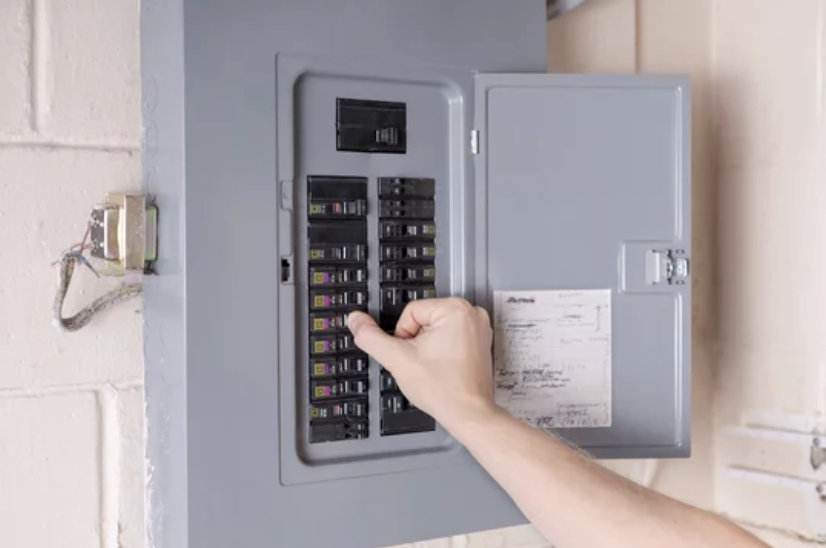
A circuit breaker that keeps tripping is usually reacting to one of three problems: too many devices on one circuit, a short circuit, or a ground fault. An overloaded circuit is the most common cause and often goes away once you move a heavy appliance to another outlet. A breaker that trips with nothing running, smells hot, or won’t reset points to a wiring or panel problem that needs an electrician.
Breakers trip to protect your wiring from overheating, so each trip tells you something.
Common Causes of Tripped Circuit Breakers
Every circuit breaker trip happens because more current is flowing than the circuit can safely carry. What changes is the reason why that happens.
An Overloaded Circuit
Overloads happen when the devices on a circuit pull more power than it’s rated for. Space heaters, hair dryers, window AC units, and microwaves are the usual suspects, especially when two share a circuit. Signs of an overloaded circuit include lights that dim when something kicks on, outlets or switch plates that feel warm, and trips that happen at the same time every day.
In Hampton Roads, overloads tend to show up in two seasons. Summer brings window units and dehumidifiers running in bonus rooms, and the first cold snap brings out space heaters plugged into bedroom outlets.
A Short Circuit
A short happens when a hot wire touches a neutral wire, sending a surge of current that trips the breaker instantly. Damaged cords, loose outlet connections, and worn appliance wiring can all cause one. You may notice a pop, a spark, or a scorch mark on the outlet.
A Ground Fault
A ground fault is similar to a short, except the current escapes to a ground path, often through water. It’s common in kitchens, bathrooms, garages, and outdoor outlets, where humidity, wind-driven rain, and salty air reach the connections. If a GFCI outlet is the one shutting off, our post on a GFCI outlet that won’t reset walks through what to check.
Why a Breaker Trips With Nothing Plugged In
Those causes explain most trips, but the most worrying one happens when nothing seems to be on. A 20-amp breaker that trips with the room unplugged usually means the problem lives inside the walls: a loose or damaged wire, a failing outlet, or a fault in the breaker itself. Newer arc-fault breakers can also trip when they sense sparking somewhere on the circuit.
Breakers do wear out. A worn breaker may feel loose, run hot, trip at lower loads, or fail to snap firmly into place when reset. A breaker that looks fine but leaves its circuit dead is another sign it’s failing.
How to Find What’s Tripping Your Circuit Breaker
If the trips seem tied to a specific room, you can narrow down the cause safely before bringing in help:
- Unplug everything on the circuit: Turn off lights and unplug every device in the affected rooms.
- Reset the breaker: Push the handle fully to off, then firmly back to on.
- Add devices back one at a time: Wait a minute between each and note which one trips it.
- Spread the load: Move high-wattage devices to outlets on a different circuit.
If the breaker trips again with everything unplugged, stop there. That’s a wiring or panel issue, not something to troubleshoot further on your own.
Is It Safe to Keep Resetting a Circuit Breaker?
Resetting a breaker once after an obvious overload is fine. Resetting the same one over and over isn’t, because each trip means the wiring was heating past its limit. Never tape a breaker on or swap in a larger one to stop the trips, since that removes the protection that keeps wires from overheating inside your walls.
Bring in an electrician right away if you smell burning plastic, see scorch marks on the panel, hear buzzing, or notice the panel feels warm. Those signs need attention the same day.
When Your Panel Is the Real Problem
Sometimes the whole house has simply outgrown its panel. Many homes around Norfolk, Portsmouth, and Hampton were wired long before central AC, EV chargers, and home offices. If trips keep happening across several circuits, you may have an undersized electrical panel that may be due for an upgrade.
An electrician may recommend adding dedicated circuits for big appliances, replacing worn breakers, or upgrading through our electrical panel services. Older homes with brittle or outdated wiring may need electrical rewiring in the rooms that keep losing power.
Get Your Breaker Trouble Sorted Out
At Miller’s Heating and Air Conditioning, our electricians install and replace electrical panels and handle rewiring for homes across Hampton Roads. We’ll track down why your breaker keeps tripping, explain what we find in plain terms, and fix the cause instead of just resetting the switch. Schedule electrical service and get your power back to normal without guessing at the panel.