
Storm season in coastal Virginia can bring heavy rain, strong winds, and the potential for flooding. While many homeowners focus on stocking emergency supplies and securing outdoor furniture, one important preparation step is often overlooked: knowing where your home’s main water shut-off valve is located.
If a pipe bursts, a water line is damaged, or flooding affects your plumbing system, shutting off the water supply quickly can help minimize damage to your home. Waiting until an emergency happens to search for the valve can waste valuable time.
Here’s what every homeowner should know about locating and using the main water shut-off valve before the next storm arrives.
Why Your Main Water Shut-Off Valve Matters
Your main water shut-off valve controls the flow of water entering your home. Turning it off stops water from reaching your plumbing fixtures and appliances, which can significantly reduce damage if a pipe breaks or another plumbing emergency occurs.
Knowing where the valve is located can help you:
- Reduce water damage during plumbing emergencies
- Protect your home if a pipe bursts
- Prevent flooding from worsening
- Make repairs safer and easier
- Respond quickly during severe weather
Taking a few minutes to locate the valve now can save thousands of dollars in water damage later.
Common Places to Find the Main Water Shut-Off Valve
The exact location varies depending on the age and design of your home, but there are several common places to check.
Near the Water Meter
In many homes, the shut-off valve is located where the main water line enters the house, usually close to the water meter.
This may be:
- In a utility room
- Inside a garage
- In a basement
- Near the front exterior wall
The valve is often positioned just after the water meter inside the home.
Crawl Spaces
Many homes in the Virginia Beach area have crawl spaces instead of basements. In these homes, the shut-off valve may be located where the water supply enters beneath the house. Use caution when entering crawl spaces, especially if flooding is possible.
Utility or Mechanical Rooms
If your home has a dedicated utility room, laundry room, or mechanical closet, inspect the area where plumbing lines enter the home. The shut-off valve is frequently installed in an easily accessible location for maintenance and emergencies.
Exterior Shut-Off Locations
Some homes have shut-off valves installed outside near the foundation or within a covered utility box.
If your valve is outdoors, make sure you know how to safely access it before severe weather arrives.
What Does the Shut-Off Valve Look Like?
Most main shut-off valves use one of two styles:
- Gate valve: This valve has a round handle that must be turned several times clockwise until it stops.
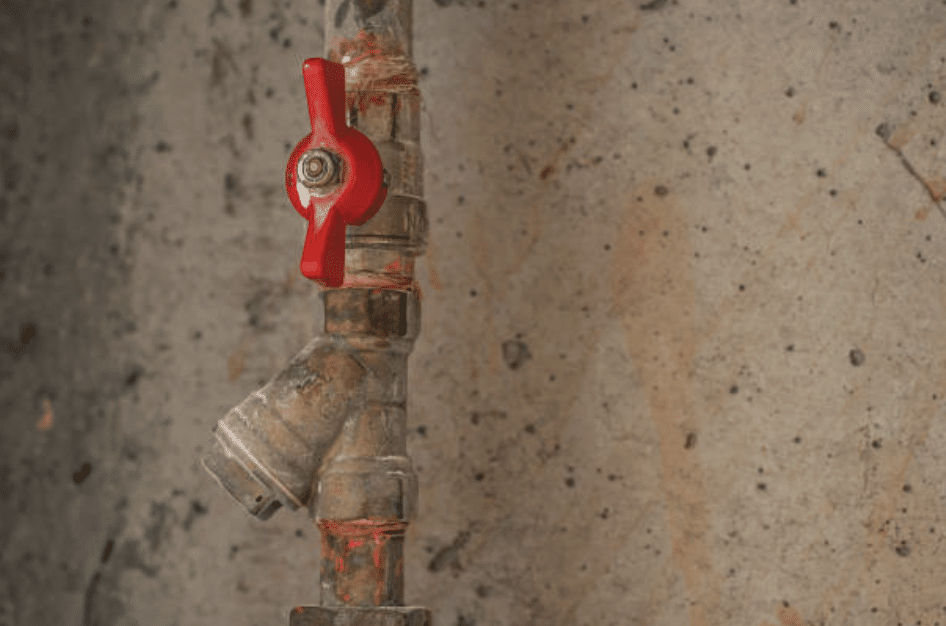
- Ball valve: This valve has a lever handle that rotates a quarter turn. When the handle is parallel with the pipe, the valve is open. When it is perpendicular to the pipe, the water is shut off.
If you are unsure which type your home has, a plumber can show you during a routine service visit.
Test the Valve Before You Need It
Finding the valve is only the first step. It is also important to make sure it actually works. Over time, valves can become difficult to turn or seize completely if they are never used. If you decide to test your valve:
- Turn it slowly.
- Avoid forcing it if it feels stuck.
- Verify that water stops flowing from a faucet.
- Turn the valve back on gradually.
If the valve will not move or appears damaged, schedule a professional inspection before an emergency occurs.
When Should You Shut Off Your Water?
Most storms do not require turning off your home’s water supply. However, there are situations where doing so may help protect your property.
You may want to shut off the water if:
- A pipe bursts during a storm
- Flooding threatens your home’s plumbing system
- You discover a significant plumbing leak
- You are evacuating for an extended period and local officials recommend it
- Your home has suffered structural damage that affects plumbing
If you are uncertain whether shutting off your water is appropriate, follow guidance from local emergency officials.
Other Storm Preparation Tips for Your Plumbing
Locating the shut-off valve is just one part of protecting your plumbing before severe weather. Consider these additional precautions:
- Secure outdoor hoses and disconnect them if appropriate.
- Inspect exposed pipes for existing leaks.
- Clear outdoor drains to help reduce standing water.
- Make sure your sump pump is operating correctly if your home has one.
- Keep your plumber’s contact information readily available.
These simple steps can help reduce the likelihood of plumbing damage during severe weather.
When to Call a Professional
If you cannot locate your shut-off valve, if it appears damaged, or if it no longer operates properly, it is best to have it inspected before storm season arrives. A licensed plumber can:
- Locate your main shut-off valve
- Replace worn or damaged valves
- Check your home’s plumbing for potential vulnerabilities
- Recommend preventive repairs
- Ensure your plumbing system is prepared for severe weather
Preparing in advance is much easier than dealing with extensive water damage after a storm.
Protect Your Home with Help from Miller’s
Storms can arrive with little warning, but taking a few preventive steps today can make a big difference tomorrow. If you need help locating your main water shut-off valve or want your plumbing system inspected before severe weather, Miller’s Heating and Air Conditioning is here to help.
Call Miller’s Heating and Air Conditioning at 757-623-6600 or schedule your plumbing service online today. Our experienced team is ready to help protect your home and keep your plumbing system working safely and reliably throughout the year.