
When winter arrives in Virginia Beach, homeowners want a heating system that delivers consistent comfort without driving up energy costs. Because the region experiences relatively mild winters with occasional cold snaps, choosing between a heat pump and a furnace is not always straightforward. Understanding how each system works and how it performs in a coastal climate can help you make the right decision for your home.
Understanding Heat Pumps
A heat pump works by transferring heat rather than creating it. During colder months, it pulls heat from the outdoor air and moves it indoors. Even when temperatures feel chilly, there is still usable heat in the air. In summer, the system reverses direction and acts as an air conditioner.
Heat pumps are popular in Virginia Beach because they provide both heating and cooling in one system. They are highly energy efficient and work best in climates where extreme cold is uncommon. Modern heat pumps are also quieter and more effective than older models, making them a practical option for many coastal homes.
Understanding Furnaces
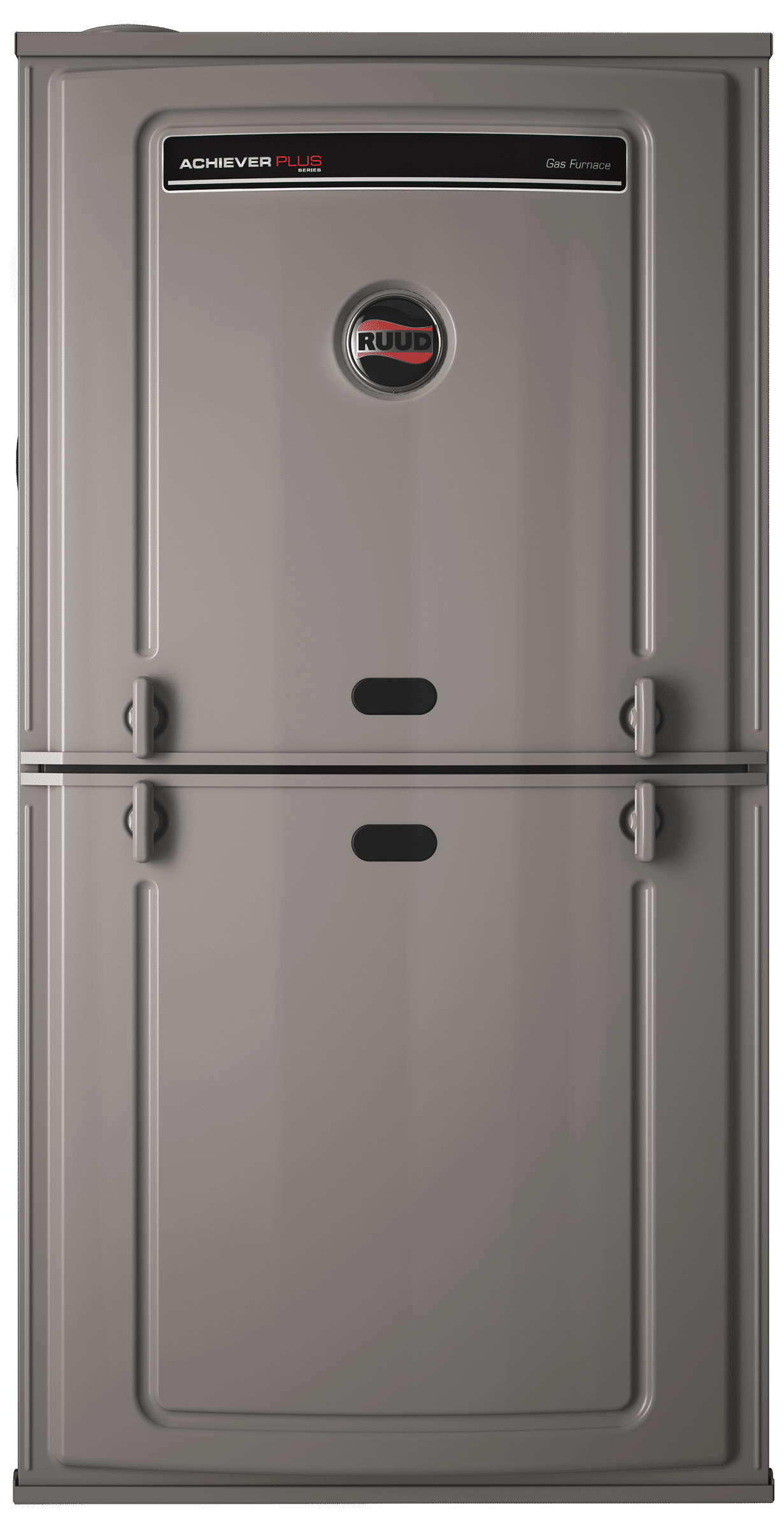
Furnaces generate heat by burning fuel such as natural gas, propane, or oil, or by using electric heating elements. Warm air is distributed throughout the home via ductwork. Furnaces are known for delivering strong, consistent heat, even during very cold temperatures.
While Virginia Beach does not experience long periods of freezing weather, furnaces are still common in older homes or properties that already have gas service. A furnace can quickly raise indoor temperatures during colder nights and winter storms.
Efficiency and Energy Costs
One of the biggest differences between heat pumps and furnaces is energy efficiency. Heat pumps typically use less electricity because they move heat instead of producing it. This can lead to lower monthly energy bills, especially during mild winter weather common in Virginia Beach.
Furnaces, particularly gas models, can be efficient as well, but fuel prices fluctuate. During extended cold spells, furnaces may consume more energy, which can increase heating costs. Homeowners concerned about long-term efficiency often lean toward heat pumps for this reason.
Performance During Cold Weather
Virginia Beach winters are generally moderate, with temperatures often hovering above freezing. Heat pumps perform very well under these conditions. However, when temperatures drop significantly, a heat pump may rely on supplemental heating to maintain comfort.
Furnaces excel in colder weather. They deliver steady heat regardless of outdoor temperatures. If your home tends to feel drafty or if you are particularly sensitive to cold, a furnace may provide peace of mind during occasional winter extremes.
Installation and Upfront Costs
Heat pumps often have higher upfront installation costs compared to furnaces, especially if ductwork modifications or electrical upgrades are required. However, the long-term savings from improved efficiency and combined heating and cooling functionality can offset the initial investment.
Furnaces typically cost less to install if gas lines and ductwork already exist. Replacement projects are often straightforward, which can make furnaces an appealing option for homeowners looking to upgrade quickly.
Maintenance and Lifespan
Both systems require regular maintenance to operate efficiently. Heat pumps generally need biannual service since they run year-round. Furnaces typically require annual inspections, particularly before winter begins.
In terms of lifespan, furnaces often last slightly longer than heat pumps. However, proper maintenance can significantly extend the life of either system and improve performance throughout the year.
Environmental Considerations
Heat pumps are considered more environmentally friendly because they rely on electricity rather than combustion. As electric grids continue to shift toward renewable energy, heat pumps become an even greener option.
Furnaces that burn fossil fuels produce emissions, which may be a concern for environmentally conscious homeowners. Electric furnaces eliminate combustion but are usually less efficient than heat pumps.
Which System Is Right for Your Home?
Choosing between a heat pump and a furnace depends on your home’s insulation, existing infrastructure, budget, and comfort preferences. Many Virginia Beach homeowners find that heat pumps meet their needs perfectly due to the area’s mild winters and long cooling season.
For homes that experience uneven heating, have limited insulation, or face strong coastal winds, a furnace may provide more consistent warmth during colder periods. Some homeowners opt for a dual-fuel system, combining a heat pump with a furnace for maximum flexibility.
Choose the Right System for Your Home
When comparing a heat pump vs. furnace for Virginia Beach winters, there is no one-size-fits-all answer. Heat pumps offer excellent efficiency and year-round comfort, while furnaces provide reliable heat during colder weather. Consulting with a local HVAC professional like Miller’s Heating and Air Conditioning ensures you choose a system tailored to your home, lifestyle, and long-term energy goals.
Ready to speak with an expert about your heating needs? Contact us online today or call (757) 623-6600!