
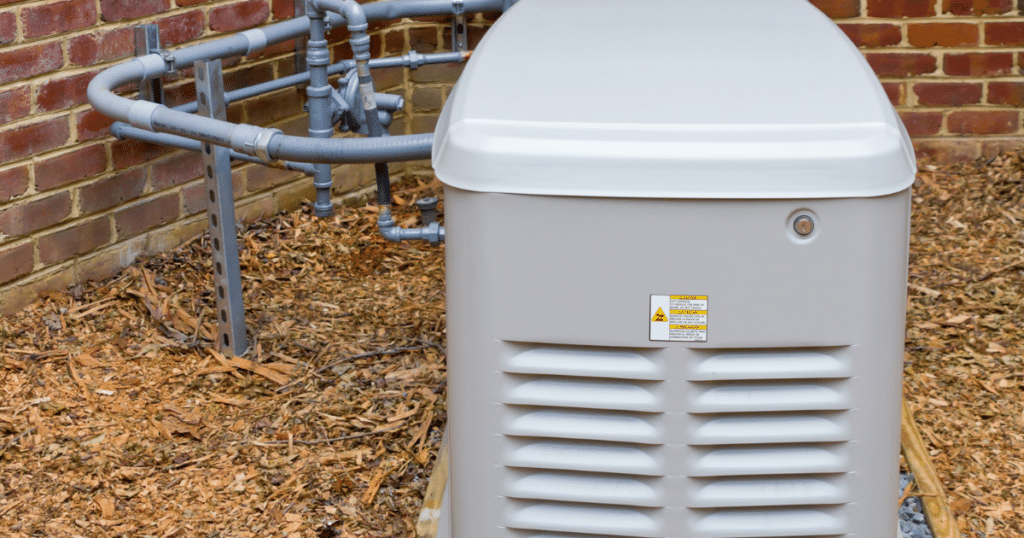
Storm season can bring unpredictable weather, power outages, and major disruptions to your daily routine. For homeowners with standby generators, having backup power provides peace of mind and protection. However, that reliability depends on one key factor: proper maintenance.
A standby generator is only useful if it works when you need it most. Preparing your system before storm season ensures it is ready to perform under pressure and helps prevent unexpected failures during critical moments.
Why Generator Maintenance Matters
Standby generators are designed to automatically power your home when the grid goes down. But like any mechanical system, they require regular care to operate efficiently and safely.
Without maintenance, generators can develop issues such as:
- Battery failure
- Fuel system problems
- Worn or dirty components
- Oil degradation
- Electrical connection issues
These problems often go unnoticed until the generator is called into action. Routine maintenance helps catch these concerns early and ensures your system is ready when a storm hits.
Check the Battery First
The battery is one of the most common points of failure in standby generators. It powers the startup process, so if the battery is weak or dead, the generator will not turn on during an outage.
Inspect the battery for:
- Corrosion on terminals
- Loose connections
- Signs of wear or aging
Most generator batteries last between 2 to 4 years. If yours is nearing the end of its lifespan, replacing it before storm season is a smart preventative step.
Inspect Fuel Supply and Lines
Your generator relies on a steady fuel supply to operate. Depending on your system, this may be natural gas, propane, or diesel.
Check for:
- Leaks or damage in fuel lines
- Proper fuel levels for propane or diesel systems
- Clear and unobstructed connections
Fuel-related issues can prevent your generator from running or cause it to shut down prematurely. Ensuring a reliable supply is critical before severe weather arrives.
Change Oil and Filters
Like any engine, your generator needs clean oil to function properly. Over time, oil breaks down and loses its ability to lubricate moving parts.
Regular oil changes help:
- Reduce wear and tear
- Improve performance
- Extend engine life
Air filters should also be checked and replaced if dirty. Clean filters allow proper airflow, which is essential for efficient operation.
Test the System
Running your generator periodically is one of the best ways to ensure it is ready for an outage. Many systems perform automatic self-tests, but it is still important to manually check operation.
During a test run:
- Listen for unusual noises
- Check for vibrations or shaking
- Verify that the system starts quickly and runs smoothly
Testing gives you confidence that your generator will perform as expected when needed.
Keep the Unit Clear
Outdoor standby generators are exposed to the elements year-round. Leaves, dirt, and debris can accumulate around the unit, restricting airflow and affecting performance.
Before storm season, make sure:
- The area around the generator is clear
- Vegetation is trimmed back
- Vents and openings are unobstructed
Proper airflow is essential to prevent overheating and ensure safe operation.
Inspect Electrical Components
Your generator’s electrical system must be in good condition to safely deliver power to your home. Loose or damaged wiring can create safety hazards or prevent the system from functioning correctly.
A professional inspection can verify that all electrical connections, transfer switches, and control systems are working properly.
Don’t Skip Professional Maintenance
While there are steps homeowners can take, a professional generator tune up provides a deeper level of inspection and care. Technicians can identify issues that are not visible during a basic check.
Professional maintenance typically includes:
- Full system diagnostics
- Load testing
- Oil and filter changes
- Battery testing
- Inspection of internal components
Scheduling service before storm season ensures your generator is prepared for heavy use.
The Cost of Being Unprepared
A generator that fails during a power outage can lead to more than inconvenience. Without backup power, you may face:
- Food spoilage
- Loss of heating or cooling
- Water system interruptions
- Increased risk of property damage
Preventative maintenance is a small investment compared to the potential cost of an extended outage.
Be Storm-Ready with Expert Generator Service
Your standby generator is one of the most valuable tools for protecting your home during storm season. But it can only do its job if it is properly maintained. By checking the battery, inspecting fuel systems, changing oil, and scheduling professional service, you can ensure your generator is ready when you need it most.
Don’t wait until the power goes out to find out your generator isn’t ready. At Miller’s Heating and Air Conditioning, we provide professional standby generator maintenance to keep your system running safely and reliably. Contact Miller’s Heating and Air Conditioning today to schedule your generator service and stay prepared for whatever the weather brings.