
Most plumbing leaks are easy to spot. You might notice water under a sink, a dripping faucet, or a damp area around a fixture. Slab leaks are different. These leaks occur in water lines located beneath your home’s concrete foundation, making them much harder to detect. Because they are hidden from view, slab leaks can continue for weeks or even months before homeowners realize there is a problem.
In Virginia Beach, where moisture and shifting soil conditions can affect foundations over time, understanding the warning signs of a slab leak is essential. Early detection can help prevent costly structural damage and extensive plumbing repairs.
What Is a Slab Leak?
A slab leak occurs when a water pipe located beneath the concrete foundation of a home develops a crack, hole, or break. These leaks can affect either hot or cold water lines and may result from several factors, including:
- Corrosion inside older pipes
- Abrasion caused by pipes rubbing against concrete
- High water pressure
- Ground shifting or settling
- Poor installation practices
Since the leak is hidden beneath the slab, it often goes unnoticed until damage becomes more significant.
Unexplained Increases in Water Bills
One of the earliest signs of a slab leak is a sudden increase in your monthly water bill. If your water usage habits have not changed but your bill continues to climb, water may be escaping from a pipe beneath your foundation.
Even a small leak can waste hundreds of gallons of water over time. Monitoring your utility bills regularly can help you catch potential problems before they become severe.
Warm Spots on Floors
If a hot water line develops a leak beneath your slab, you may notice unusual warm spots on your flooring. Tile, hardwood, laminate, and other flooring materials can feel noticeably warmer in certain areas.
Many homeowners first discover a slab leak when they walk barefoot across a floor and notice a section that feels heated for no obvious reason.
If you encounter unexplained warm spots, it is worth having your plumbing system inspected.
Damp or Wet Flooring
Moisture from a slab leak often migrates upward through the foundation and into flooring materials. Depending on the severity of the leak, you may notice:
- Damp carpet
- Warped hardwood flooring
- Loose tiles
- Water stains
- Areas that never seem to dry completely
These signs should never be ignored, especially if they appear without an obvious source.
The Sound of Running Water
Have you ever heard water running when no faucets, showers, appliances, or irrigation systems are in use?
A hidden slab leak can create a faint sound of moving water beneath your floors or within walls connected to the plumbing system. While the sound may be subtle, it is often a warning sign that warrants professional investigation.
Reduced Water Pressure
Leaks beneath your foundation can affect the amount of water reaching fixtures throughout your home. If you notice a sudden decrease in water pressure, especially throughout multiple areas of the house, a slab leak may be the cause.
While low pressure can result from several plumbing issues, it should always be evaluated to determine the source.
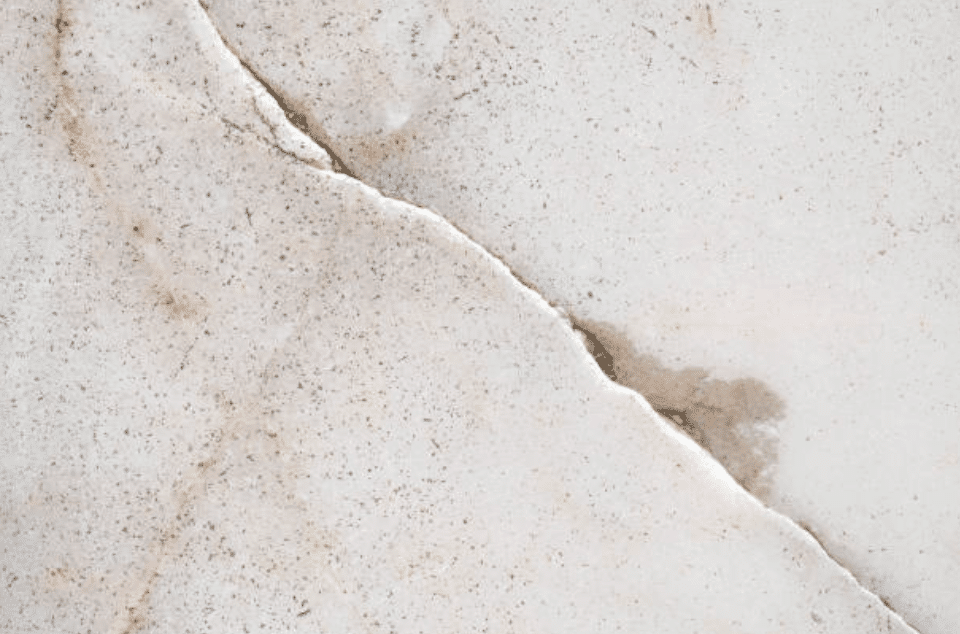
Cracks in Walls or Flooring
Over time, water escaping beneath your foundation can erode soil and create uneven support beneath the slab. As the foundation shifts, cracks may begin to appear.
Watch for:
- Cracks in interior walls
- Cracks in flooring materials
- Separation around doors and windows
- Uneven floors
Although these symptoms can have other causes, they may indicate that a long-term slab leak is affecting the structure of your home.
Mold and Mildew Growth
Moisture trapped beneath flooring or within walls creates ideal conditions for mold and mildew growth. If you notice a persistent musty odor or unexplained mold development, hidden water may be present.
Beyond damaging your home, mold can also affect indoor air quality and create health concerns for occupants.
Why Immediate Action Matters
Slab leaks rarely improve on their own. In fact, they typically become more damaging and expensive the longer they are left untreated.
Potential consequences include:
- Foundation damage
- Flooring replacement
- Mold remediation
- Structural repairs
- Increased water bills
- Extensive plumbing work
Addressing the problem early can significantly reduce repair costs and help protect your property.
How Professionals Detect Slab Leaks
Modern leak detection technology allows plumbers to locate slab leaks without unnecessary demolition. Professional leak detection may involve:
- Acoustic listening equipment
- Electronic leak detection tools
- Thermal imaging technology
- Pressure testing
These methods help pinpoint the exact location of the leak so repairs can be completed efficiently and with minimal disruption.
Protect Your Home from Hidden Plumbing Damage
Slab leaks are one of the most serious plumbing problems a homeowner can face because they often remain hidden until significant damage occurs. Knowing the warning signs can help you take action before the problem escalates.
If you notice rising water bills, damp floors, warm spots, reduced water pressure, or signs of foundation movement, it is important to schedule an inspection with a professional plumber as soon as possible.
Contact Miller’s Heating and Air Conditioning for Expert Plumbing Service
At Miller’s Heating and Air Conditioning, we help Virginia Beach homeowners identify and resolve plumbing problems before they cause extensive damage. Our experienced team can evaluate your plumbing system, locate hidden leaks, and recommend the most effective repair solutions.Call Miller’s Heating and Air Conditioning today at 757-623-6600 or schedule service online to protect your home from the costly effects of a slab leak.