
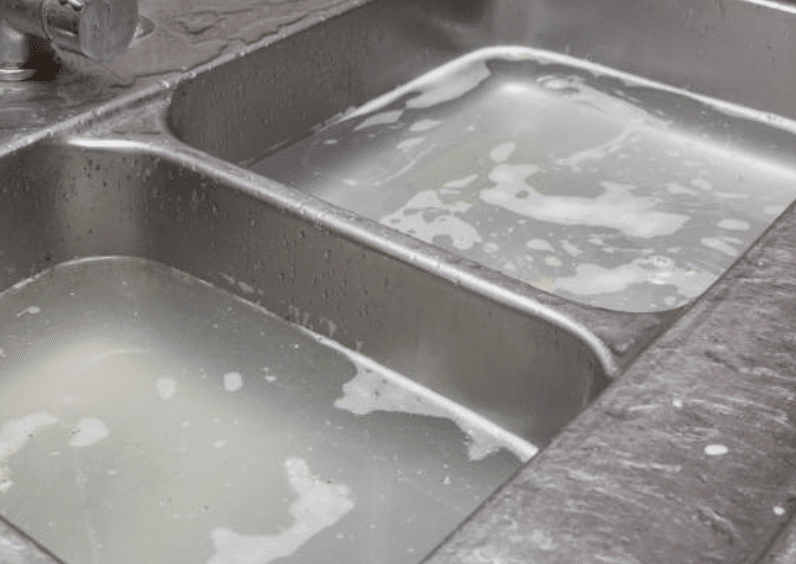
A drain backup is one of the most stressful plumbing problems a homeowner can face. Whether it’s a kitchen sink filling with dirty water, a shower refusing to drain, or a toilet overflowing, a clogged drain can quickly disrupt your day and even cause water damage if not addressed promptly.
Homes throughout Hampton Roads face unique plumbing challenges due to aging infrastructure, tree root intrusion, heavy rainfall, and everyday wear on plumbing systems. Knowing what to do when a drain backs up can help you minimize damage while you wait for a professional plumber to arrive.
Here’s a step-by-step guide to handling a drain backup safely.
Step 1: Stop Using Water Immediately
The first thing you should do is stop running water anywhere in your home.
Many homeowners make the mistake of continuing to use sinks, showers, dishwashers, or washing machines, hoping the clog will clear itself. Unfortunately, adding more water usually makes the backup worse.
If the blockage is in your main sewer line, using any plumbing fixture could cause wastewater to back up into other drains throughout your home.
Step 2: Determine Whether It’s One Drain or Multiple
Next, identify how widespread the problem is.
If only one sink or tub is affected, the clog is likely isolated to that fixture.
However, if multiple drains are backing up at the same time, especially if toilets, showers, and sinks are all involved, the problem may be located in your home’s main sewer line.
A main sewer blockage requires professional attention as soon as possible.
Step 3: Avoid Chemical Drain Cleaners
When a drain backs up, many homeowners reach for a bottle of chemical drain cleaner. While these products promise fast results, they rarely solve serious clogs.
Chemical cleaners can:
- Damage certain types of pipes
- Create safety hazards for anyone performing repairs
- Fail to remove the entire blockage
- Harm the environment
If standing water is already present, chemical products usually provide little benefit.
Step 4: Protect Your Home
If water is beginning to overflow, take steps to limit damage.
Move rugs, towels, and personal belongings away from the affected area.
Use buckets or towels to contain small amounts of water if it is safe to do so.
If wastewater has entered your home, avoid direct contact whenever possible since it may contain bacteria and other contaminants.
Step 5: Check for Simple Blockages
Some minor drain clogs can be cleared safely without professional equipment.
For example:
- Remove visible hair from shower drains.
- Clean sink stoppers that collect debris.
- Use a plunger on sinks or toilets if appropriate.
Avoid inserting objects deep into drains, as this can push the blockage farther into the plumbing system or damage pipes.
Step 6: Know When It’s an Emergency
Not every clog requires emergency service, but certain situations should be addressed immediately.
Call a plumber right away if:
- Sewage is backing up into your home.
- Multiple drains are overflowing.
- Water is damaging floors or walls.
- Toilets cannot be used.
- You suspect a sewer line blockage.
- The backup continues after attempting basic troubleshooting.
Quick action can help prevent expensive repairs and extensive water damage.
Common Causes of Drain Backups
Understanding what causes drain backups can help you reduce the risk of future plumbing emergencies.
Some of the most common causes include:
Grease Buildup
Cooking grease may go down the drain as a liquid, but it cools and hardens inside pipes, gradually restricting water flow.
Hair and Soap Residue
Bathroom drains commonly collect hair, soap scum, and personal care products that slowly create stubborn clogs.
Tree Roots
Large trees naturally seek out moisture. Roots can enter aging sewer lines through tiny cracks and eventually create major blockages.
Flushing the Wrong Items
Only toilet paper and human waste should be flushed. Items such as wipes, paper towels, cotton swabs, and hygiene products can quickly clog plumbing systems.
Aging Pipes
Older plumbing systems may experience corrosion, scaling, or pipe deterioration that reduces drainage capacity over time.
How Professional Drain Cleaning Helps
Professional plumbers use specialized equipment that safely removes clogs without damaging your plumbing system. Depending on the cause of the blockage, a plumber may recommend any of the following drain cleaning options:
- Mechanical drain snaking
- Video camera pipe inspections
- Hydro jetting to clear heavy buildup
- Sewer line repairs if damage is discovered
These methods address the source of the problem rather than providing a temporary fix.
Prevent Future Drain Backups
While not every plumbing problem can be avoided, a few simple habits can greatly reduce your chances of experiencing another backup.
Helpful preventive measures include:
- Dispose of grease in the trash instead of the sink.
- Use drain screens in kitchens and bathrooms.
- Schedule professional drain cleaning when needed.
- Avoid flushing anything besides toilet paper.
- Address slow drains before they become complete blockages.
Routine maintenance helps keep your plumbing system operating efficiently year-round.
Trust Miller’s Heating and Air Conditioning for Professional Drain Cleaning
A backed-up drain is never convenient, but responding quickly can help minimize damage and restore your plumbing faster. Whether you’re dealing with a single clogged sink or a more serious sewer line issue, the experienced plumbers at Miller’s Heating and Air Conditioning are ready to help homeowners throughout Hampton Roads.
Call Miller’s Heating and Air Conditioning or schedule your plumbing service online today. We’ll quickly identify the cause of your drain backup and provide reliable solutions that get your plumbing flowing again.