
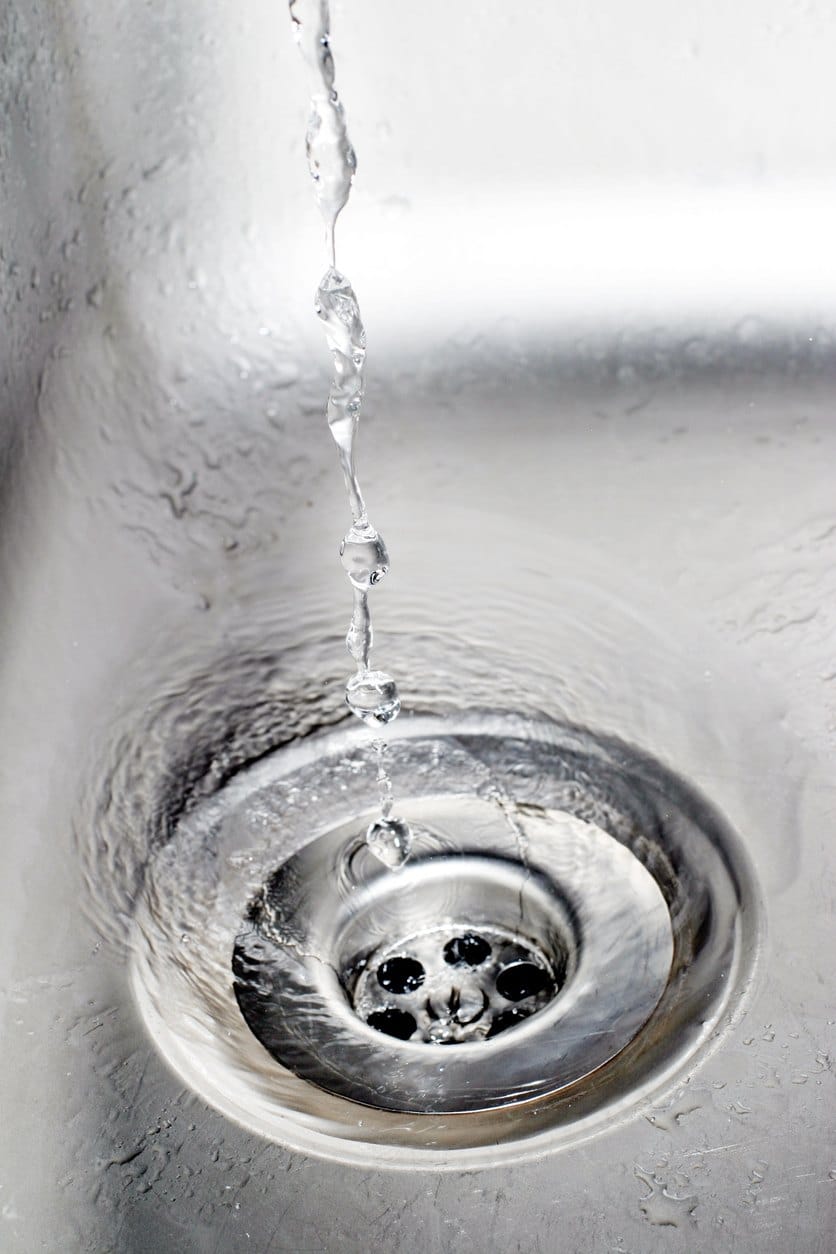
A slow or smelly sink drain is one of the most common household plumbing problems. In many cases, the issue is not a major blockage but a small clog caused by soap residue, grease, food particles, or hair. Learning how to clean a sink drain properly can restore water flow, eliminate odors, and help you avoid calling a plumber for minor issues.
What Causes Small Sink Drain Clogs?
Small drain clogs usually build up gradually. In kitchen sinks, grease, cooking oils, and food scraps stick to the inside of pipes, narrowing the passage for water. Bathroom sinks commonly clog due to hair, toothpaste, soap scum, and skincare products that harden over time.
Even when water still drains, these materials can create unpleasant smells and lead to bigger blockages if left untreated.
1. Start With Boiling Water
One of the simplest ways to clean a sink drain is with boiling water. Heat helps dissolve grease and loosen soap buildup clinging to pipe walls. Slowly pour boiling water directly down the drain in stages rather than all at once.
This method works best for small clogs and routine maintenance, especially in kitchen sinks. Avoid using boiling water if you have PVC pipes, as extreme heat may damage them. Hot tap water can be a safer alternative in those cases.
2. Use Baking Soda and Vinegar
A natural and effective method for cleaning small sink drain clogs is baking soda and vinegar. Start by pouring about half a cup of baking soda down the drain, followed by one cup of white vinegar. The mixture will fizz as it reacts, helping break down organic material.
Cover the drain and let the solution sit for 15 to 30 minutes. Finish by flushing the drain with hot water. This method is safe for most plumbing systems and also helps neutralize odors.
3. Try a Plunger
If water is draining slowly, a standard sink plunger can help dislodge small blockages. Make sure there is enough water in the sink to cover the plunger cup. Place the plunger over the drain and pump up and down several times, then check if the water flow improves.
For double sinks, block the second drain with a wet cloth to ensure proper pressure.
4. Clean the Sink Stopper
Many small clogs are caused by debris trapped around the sink stopper. Remove the stopper according to the sink’s design and clean off any hair, grease, or residue attached to it. This simple step alone can dramatically improve drainage.
Once cleaned, rinse the stopper and reinstall it securely.
5. Use a Drain Snake or Zip Tool
For clogs slightly deeper in the pipe, a small drain snake or plastic zip tool can be very effective. Insert the tool into the drain and gently twist or push it downward to grab hair and debris. Pull it out slowly and dispose of the material.
This method works especially well for bathroom sinks and avoids the need for harsh chemicals.
Avoid Chemical Drain Cleaners
While chemical drain cleaners promise fast results, they can damage pipes and are often unnecessary for small clogs. Over time, repeated use may weaken plumbing systems and lead to leaks. These products can also be dangerous if misused.
Mechanical and natural cleaning methods are safer and usually just as effective for minor drain issues.
Prevent Future Sink Drain Clogs
Preventing clogs is easier than fixing them. In the kitchen, avoid pouring grease or oil down the drain and scrape food scraps into the trash before rinsing dishes. In the bathroom, use a drain strainer to catch hair and debris before it enters the pipe.
Running hot water for a minute after using the sink helps flush residue through the system, reducing buildup.
When to Call a Professional
If your sink drain remains slow after trying these methods, or if multiple drains in your home are affected, the issue may be deeper in the plumbing system. Persistent clogs, recurring odors, or gurgling sounds can indicate a more serious problem.
A professional plumber can perform a thorough drain cleaning and inspect your pipes to prevent future issues.
Keep Up With Drain Cleaning With Miller’s
Knowing how to clean a sink drain when dealing with small clogs can save time, money, and frustration. With simple tools and regular maintenance, most minor drain problems can be handled quickly and safely. Staying proactive keeps your plumbing flowing smoothly and helps prevent small issues from becoming major repairs.
Ready to schedule a drain cleaning appointment for your home? If so, contact Miller’s Heating and Air Conditioning today!